
How to Maintain Your Balcony Cloth Hanger: Rust-Free Care Tips for Chennai Homes
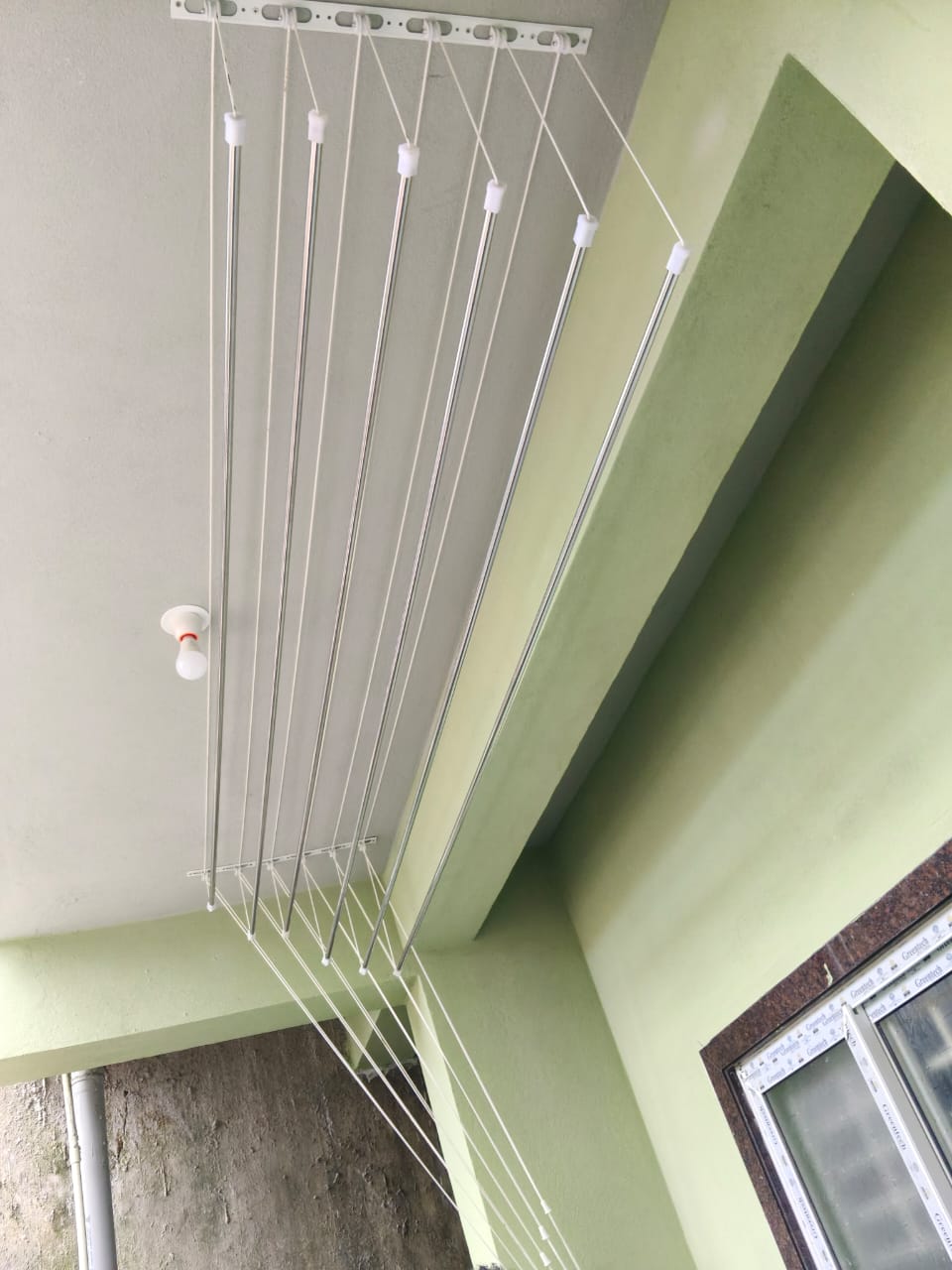
A few minutes of care every couple of months keeps a cloth hanger working smoothly for years
A good cloth hanger is meant to be one of the lowest-maintenance fixtures on your balcony — no repainting, no complicated upkeep. But "rust-free material" and "zero maintenance" aren't quite the same thing. A little routine care keeps the pulley, folding mechanism, and pipes working smoothly for years, instead of gradually stiffening up or developing surface issues.
This guide covers a realistic care routine — about 5 minutes every couple of months, plus a slightly deeper check before monsoon season.
Why Maintenance Matters, Even for Rust-Free Material
Rust-free pipes handle Chennai's humidity far better than untreated steel, but they still sit outdoors, exposed to dust, salt-laden coastal air, and monsoon moisture. Over time, this can affect the smoothness of a pulley mechanism or the ease of folding a wall-mount hanger, even if the pipe itself isn't rusting. A quick periodic check catches these small issues before they turn into a hanger that's stiff, noisy, or harder to operate.
Your Simple Maintenance Routine
Wipe down every 2–3 months
A soft cloth wipe removes dust and grime buildup on the pipes before it accumulates.
Check the pulley or fold mechanism every few months
Raise/lower a ceiling hanger or fold a wall-mount hanger a few times — it should move smoothly without sticking or grinding.
Inspect the rope (ceiling hangers) every 6–12 months
Nylon ropes on pulley systems wear out faster than the steel pipes — check for fraying and replace if needed.
Check anchor points once a year
Ceiling or wall brackets should remain firmly secured, with no visible looseness.
How to Clean It the Right Way
- Use a soft, damp cloth for the pipes — avoid abrasive scrubbers that can dull the surface finish.
- Mild soap and water is enough for most dust and grime; avoid harsh chemical cleaners.
- For the pulley wheel or fold hinges, a dry wipe followed by a drop of light household oil helps keep movement smooth — avoid over-oiling, which attracts more dust.
- Dry everything with a separate cloth afterward, especially during humid months.
Monsoon-Specific Care
- Before monsoon: do a full clean and check the pulley/fold mechanism, rope condition, and anchor points.
- During monsoon: after heavy rain, wipe down the pipes once conditions clear to prevent standing moisture sitting on the surface.
- After monsoon: re-check the rope and mechanism, since sustained humidity is when wear shows up most.
Hanger Feeling Stiff or Making Noise?
We can inspect your existing installation and advise on servicing or replacement parts.
Get Free Quote →Warning Signs You Shouldn't Ignore
| Sign | What It Usually Means |
|---|---|
| Pulley rope looks frayed or thin in spots | Rope is due for replacement before it fails under load |
| Mechanism sticks or grinds when raising/lowering | Needs cleaning or light lubrication |
| Visible looseness at ceiling or wall anchor | Mounting hardware needs re-tightening |
| Discoloration or spotting on the pipe surface | Surface buildup, or early wear worth inspecting closely |
Do's and Don'ts
- ✅ Do wipe down pipes every 2–3 months
- ✅ Do check the rope and mechanism every 6–12 months
- ✅ Do replace a frayed pulley rope promptly
- ❌ Don't use abrasive scrubbers or harsh chemical cleaners
- ❌ Don't overload the hanger beyond a reasonable amount of clothing at once
- ❌ Don't ignore a sticking or grinding mechanism — it usually gets worse, not better, on its own
Frequently Asked Questions
Need a Service Check or New Installation?
Get a free site visit — we'll inspect your existing hanger or quote a new one, whichever you need.
Get Free Quote →