
Why Invisible Grills Are Better Than Iron Grills (And When They're Not)
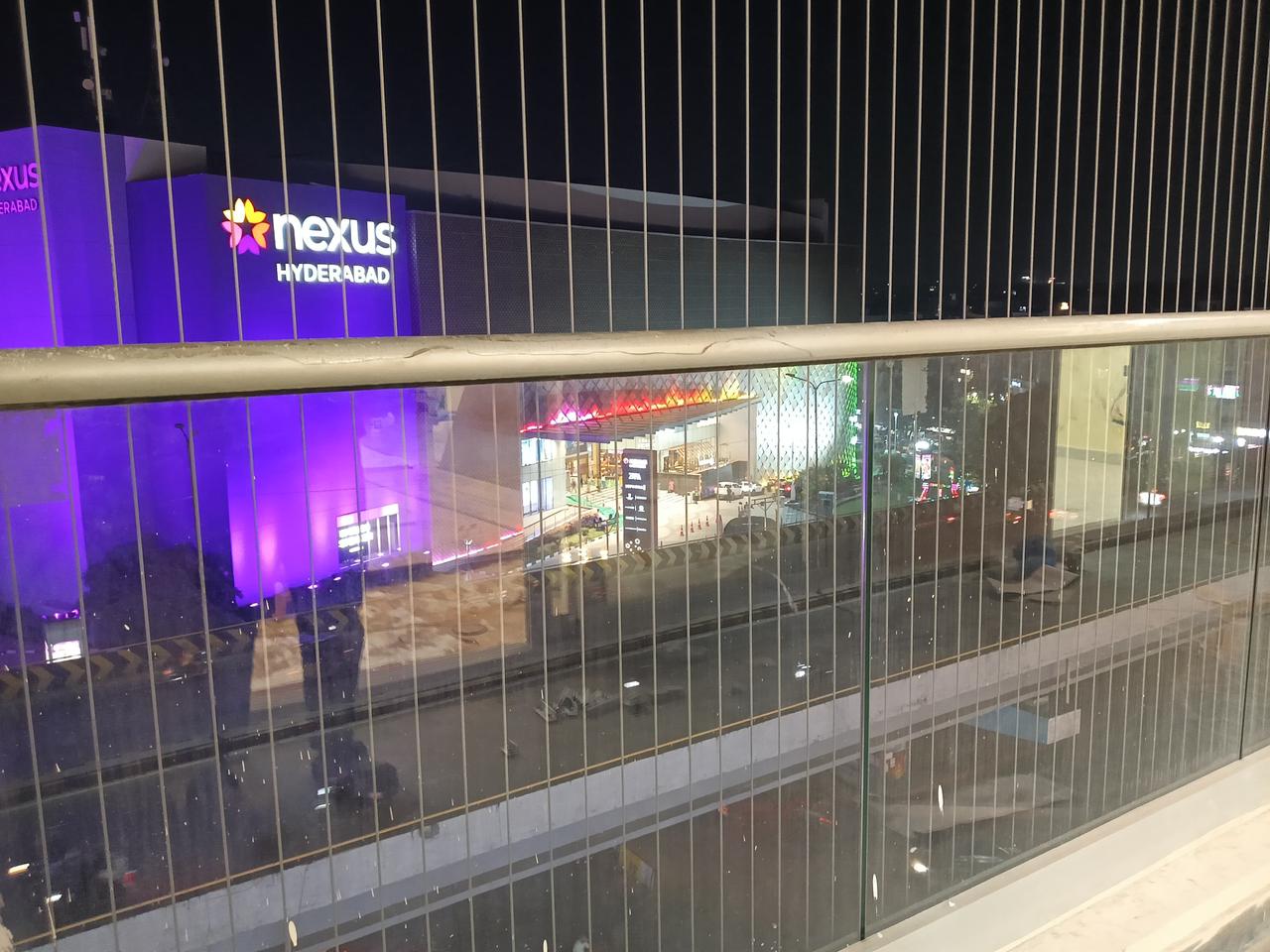
An SS316 invisible grill — thin enough to nearly disappear compared to a traditional iron grill
In This Guide
- The Core Difference: Cables vs. Bars
- Reason 1: They Don't Block Your View
- Reason 2: Rust Resistance in Chennai's Climate
- Reason 3: Better Resale & Rental Appeal
- Reason 4: Longer Lifespan, Less Maintenance
- Reason 5: A Cleaner, Modern Look
- Where Iron Grills Still Make Sense
- Side-by-Side Comparison
- Frequently Asked Questions
If you've ever stood in your balcony deciding between a traditional iron grill and an invisible grill, you've probably felt the pull in two directions — iron grills feel familiar and "solid," while invisible grills promise a cleaner look you're not entirely sure will hold up in practice.
This isn't a one-sided sales pitch. Invisible grills genuinely outperform iron grills on most of what matters for a home in Chennai — but iron still wins in a few specific situations. Here's an honest breakdown of both.
The Core Difference: Cables vs. Bars
An iron grill (technically mild steel, or MS) uses thick vertical or horizontal bars, welded into a frame and bolted to the opening. An invisible grill uses thin, high-tensile stainless steel cables — usually 2.5mm or 3mm thick — stretched tightly across the same opening.
Both stop a fall. The difference is almost entirely in how much of your view they take up, what they're made of, and how they age over the years — which is where the real comparison starts.
Reason 1: They Don't Block Your View
This is the most obvious difference, and usually the deciding one. Iron grill bars are typically 10–15mm thick and spaced closely enough to be visually dominant — you notice them first, and the view second. Invisible grill cables, at 2.5–3mm, essentially disappear from a normal viewing distance, especially from a few feet back inside the room.
If your balcony has a nice outward view — trees, a street, a pool, a skyline — an iron grill genuinely changes how that view feels day to day. Cables don't.
Reason 2: Rust Resistance in Chennai's Climate
Chennai's coastal humidity is hard on mild steel. Even painted iron grills typically show rust spots within 3–5 years, especially at weld joints and where paint chips from routine wear. Once rust starts, it spreads under the paint layer, and repainting only delays the problem rather than solving it.
Invisible grills made from SS316 stainless steel — a marine-grade steel — resist corrosion far better in the same conditions. This single factor is often the biggest long-term cost difference between the two, since iron grills eventually need repainting, patching, or full replacement, while SS316 cables typically don't.
Reason 3: Better Resale & Rental Appeal
A heavy iron grill welded across a balcony changes how a property looks from outside — some buyers and tenants read this as "safety-conscious," but many read it as dated or "caged in." Invisible grills don't alter the building's external appearance nearly as much, which matters if you're renting the unit out or plan to sell in the coming years.
Housing societies with strict facade guidelines also tend to be more accepting of invisible grills than visible iron structures, since they don't change the building's exterior look.
Reason 4: Longer Lifespan, Less Maintenance
A well-installed invisible grill in SS316 steel is typically rated for a 20-year material lifetime with minimal upkeep — an occasional wipe-down and a tension check every year or two. Iron grills, by comparison, usually need repainting every few years to manage rust, and eventually the welds or frame itself can weaken from corrosion, especially at ground-contact points.
Over a decade or more, an invisible grill often works out cheaper in total cost of ownership, even if the upfront installation price is similar or slightly higher.
Reason 5: A Cleaner, Modern Look
This is subjective, but worth naming directly: most homeowners today are moving toward minimal, glass-and-steel balcony aesthetics rather than the boxed, grille-heavy look common in older Chennai apartments. Invisible grills fit that shift — iron grills, however well-made, tend to visually date a home.
Curious What Invisible Grills Would Cost for Your Balcony?
Get an exact quote after a free site visit — no obligation.
Get Free Quote →Where Iron Grills Still Make Sense
To be fair to iron grills, there are a few situations where they're still the better choice:
- Ground-floor security concerns — if forced-entry security is the primary goal (not just fall protection), a solid welded iron frame is harder to cut or pry than thin cables, though cables are still difficult to breach with basic tools.
- Tighter budgets — basic iron grills can sometimes be cheaper upfront, particularly for very small openings, though the long-term maintenance cost narrows this gap.
- Heavy-load balconies — for balconies that need to support unusually heavy fixed loads (not just fall protection), a rigid iron frame can be engineered for higher static load in some cases.
For most residential balconies, windows, and staircases focused on everyday fall protection, though, invisible grills win on the factors that matter most day to day: view, rust resistance, and long-term cost.
Side-by-Side Comparison
| Factor | Invisible Grills | Iron Grills |
|---|---|---|
| View obstruction | Minimal — cables barely visible | High — thick bars dominate the view |
| Rust resistance | High (SS316 steel) | Low — rusts within a few years |
| Typical lifespan | Up to 20 years | 5–10 years before major rust issues |
| Maintenance | Occasional wipe-down, tension check | Periodic repainting, rust treatment |
| Exterior building appearance | Minimal visual change | Visibly alters the facade |
| Best for | Balconies, windows, staircases prioritising view | Ground-floor security-first installations |
Frequently Asked Questions
Ready to Make the Switch?
Get a free site visit and an exact quote for replacing or installing invisible grills in Chennai.
Get Free Quote →